
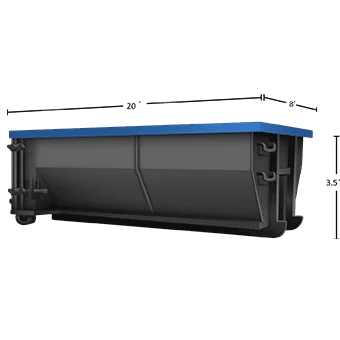
Describe what belongs in the load
A rental dumpster provides a temporary container where the customer places the agreed debris for collection. It is not automatically a labour service for clearing rooms, sorting possessions or carrying waste to the box. Describe who will load and which goods will be kept separately. Compare bulky waste that occupies space with dense waste that can reach the accepted weight before the container appears full.
Start a dumpster enquiry with the material being removed, the likely volume and the way the site will be loaded. Mixed household contents, building debris and concentrated heavy material can require different instructions.
Ask the provider which materials it accepts and what must be handled separately. Identify liquids, chemicals, electronics or other unusual items before loading begins. Request the applicable weight and fill limits for the proposed container rather than treating unused space as permission to add any material.
Prepare the loading and collection area
Explain the approach and standing surface, including shared drives or a proposed public-space position. Obtain the appropriate property approval and ask the supplier to assess access. Keep pedestrian routes and toilet servicing clear. Agree the rental duration, collection request and charges for a changed or unsuitable load.
Request the offered container, hire dates, delivery, disposal arrangement and collection in one quote. Ask how accepted material, weight allowances, extra days and a failed-access visit affect the scope, without assuming an advertised size or initial amount answers those questions. If work will continue after one load, request a separately confirmed exchange or another container.